YouTube
Faceless YouTube channel ideas for 2026 that stay monetisable
Twelve niches that work without showing your face, and how to stay on the right side of YouTube's 2025 inauthentic content update.
By Ahsan AliPublished Updated 3 min read
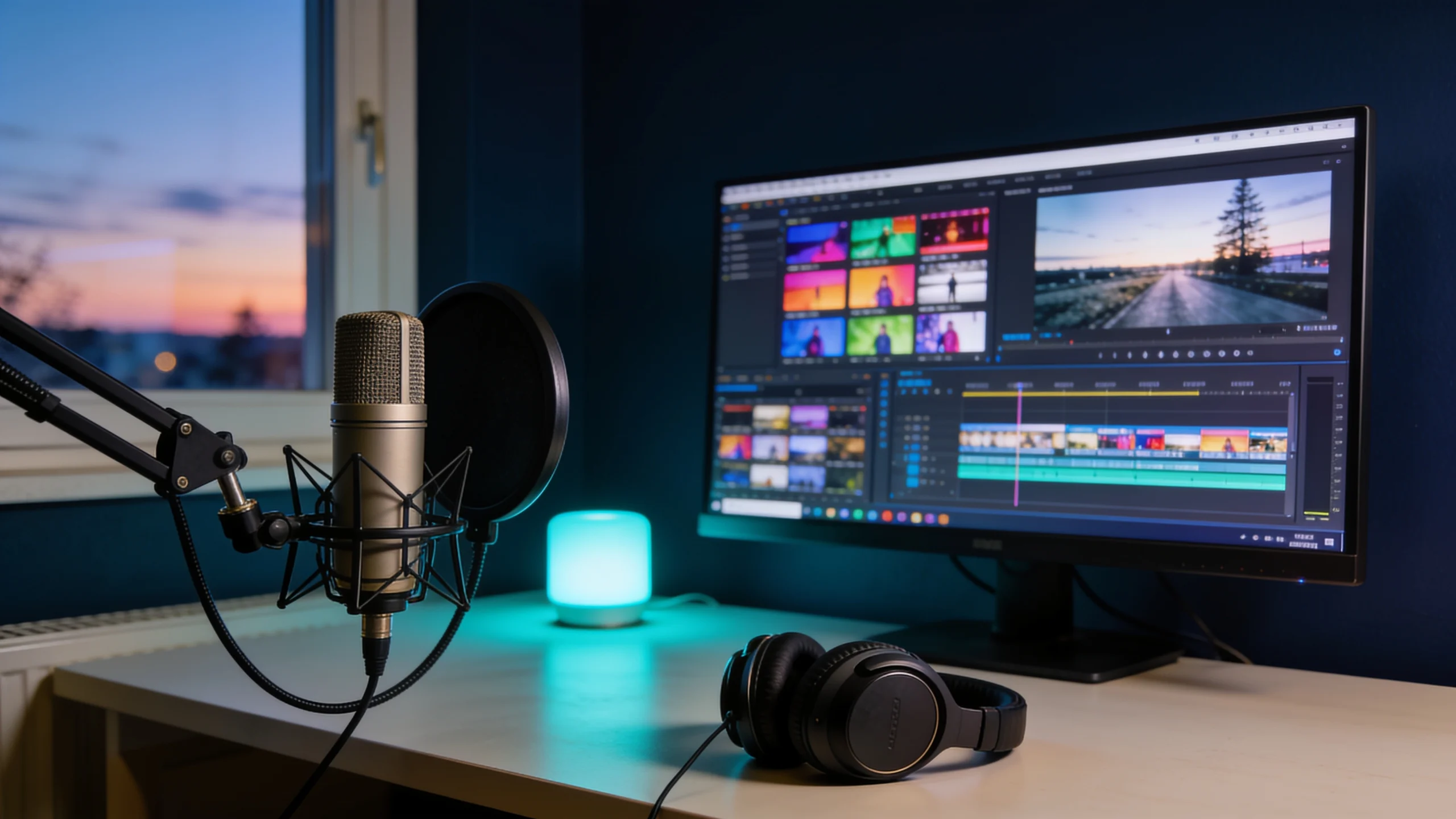
A faceless YouTube channel publishes videos without the creator appearing on camera, using voiceover, screen recordings, footage, animation or hands-only shots instead. It still works in 2026, but only for channels that add real value in every video: since July 2025, YouTube treats mass-produced, templated content as "inauthentic" and does not monetise it.
The short answer
Choose a niche where research, explanation or skill is the value, not your face: explainers, tutorials, history, finance, reviews, documentaries or calm hobby content. Then make every video materially different, with an original script, real editing and a clear point of view. Faceless is fine. Templated and repetitive is what loses monetisation.
What changed: YouTube's inauthentic content policy
On 15 July 2025 YouTube renamed its "repetitious content" policy to inauthentic content and clarified that it covers content that is repetitive or mass-produced. According to YouTube's channel monetisation policies, content that looks like it is made from a template is not eligible for monetisation, and the examples include AI-generated content made with generic or unoriginal templates and image slideshows or scrolling text with little or no narrative. The separate reused content policy still applies to clips taken from other sources without meaningful changes, and both are judged across the whole channel.
YouTube also requires creators to disclose realistic altered or synthetic content using the AI disclosure setting at upload. In practice this means a faceless channel is judged on originality and value, not on whether a face appears.
12 faceless YouTube channel ideas
| Idea | Format | Why it works faceless |
|---|---|---|
| 1. Software tutorials | Screen recording + voiceover | The screen is the content; viewers search for exact tasks |
| 2. History documentaries | Archive images, maps, narration | Research and storytelling are the value |
| 3. Personal finance explainers | Motion graphics, charts | Clear visuals beat a talking head for numbers |
| 4. Geopolitics and current affairs | Maps, footage, narration | Analysis and context are original if well researched |
| 5. Product and tool reviews | Hands-only B-roll, screen capture | Real testing creates original footage |
| 6. Gardening and homesteading | Hands-only filming, time-lapses | Seasonal, evergreen and naturally original |
| 7. Cooking and recipes | Overhead camera | The food is the star |
| 8. Science explained | Animation | Visualising ideas is the value |
| 9. Business case studies | Motion graphics, footage | Strong search demand from founders and students |
| 10. Ambient and study videos | Long-form scenes, music | Needs genuinely original footage and audio to qualify |
| 11. Language learning | Text on screen, native voiceover | Structured lessons, repeat viewers |
| 12. True stories and mysteries | Narration, reconstructions | High retention when scripts are well researched |
How to keep a faceless channel monetisable
- Original scripts. Research every video yourself and add your own analysis, examples or opinion. AI can help with outlines, not with the whole script.
- A real voice. A human voiceover, or a clearly varied and well-edited AI voice used with disclosure where required.
- Varied visuals. Mix your own footage, licensed stock, maps, motion graphics and screen captures. Avoid the same template every upload.
- Editing with intent. Pacing, sound design and visual changes that follow the story, not a loop of stock clips.
- A sensible pace. A schedule a real editorial process can sustain. Dozens of near-identical uploads a day is the pattern the policy targets.
- Disclosure. Use the AI disclosure setting when realistic content is altered or generated.
A simple production workflow
- Topic research: search demand, competing videos and an angle nobody has covered well.
- Script: hook in the first 15 seconds, clear chapters, sources noted. Our explainer script template adapts well to YouTube.
- Voiceover: recorded in a quiet room, cleaned and levelled.
- Edit: footage, motion graphics, maps, captions, music and sound effects.
- Packaging: title, thumbnail and description written together, then chapters.
Should you outsource the editing?
Editing is usually the bottleneck for faceless channels, because good faceless videos need more visual work than a talking head, not less. Many channel owners keep research and scripting in-house and outsource the edit. Our video editing service covers documentary-style, explainer and cash-cow formats with original motion graphics, and you can see examples on our work page.
FAQ
Can faceless YouTube channels still make money in 2026?
Yes, if each video adds original value. Since July 2025 YouTube does not monetise inauthentic content, meaning mass-produced or templated videos, but faceless channels with original scripts and real editing remain eligible.
What is YouTube's inauthentic content policy?
It is the monetisation policy, renamed from "repetitious content" in July 2025, that excludes content which is repetitive or mass-produced, such as generic AI template videos or slideshows with little or no narrative.
Can I use AI voiceover on a faceless channel?
AI voices are not banned, but the video still has to be original and valuable. Disclose realistic synthetic content with YouTube's AI setting where required, and avoid generic templates.
What is the best faceless YouTube niche?
Niches where research or skill is the value tend to last: software tutorials, history and documentaries, finance explainers, reviews, science and hobby channels such as gardening or cooking.

Written by Ahsan Ali
Founder & lead editor, NexaCuts. Edits and produces SaaS product videos, VSLs and promotional films for brands worldwide.